
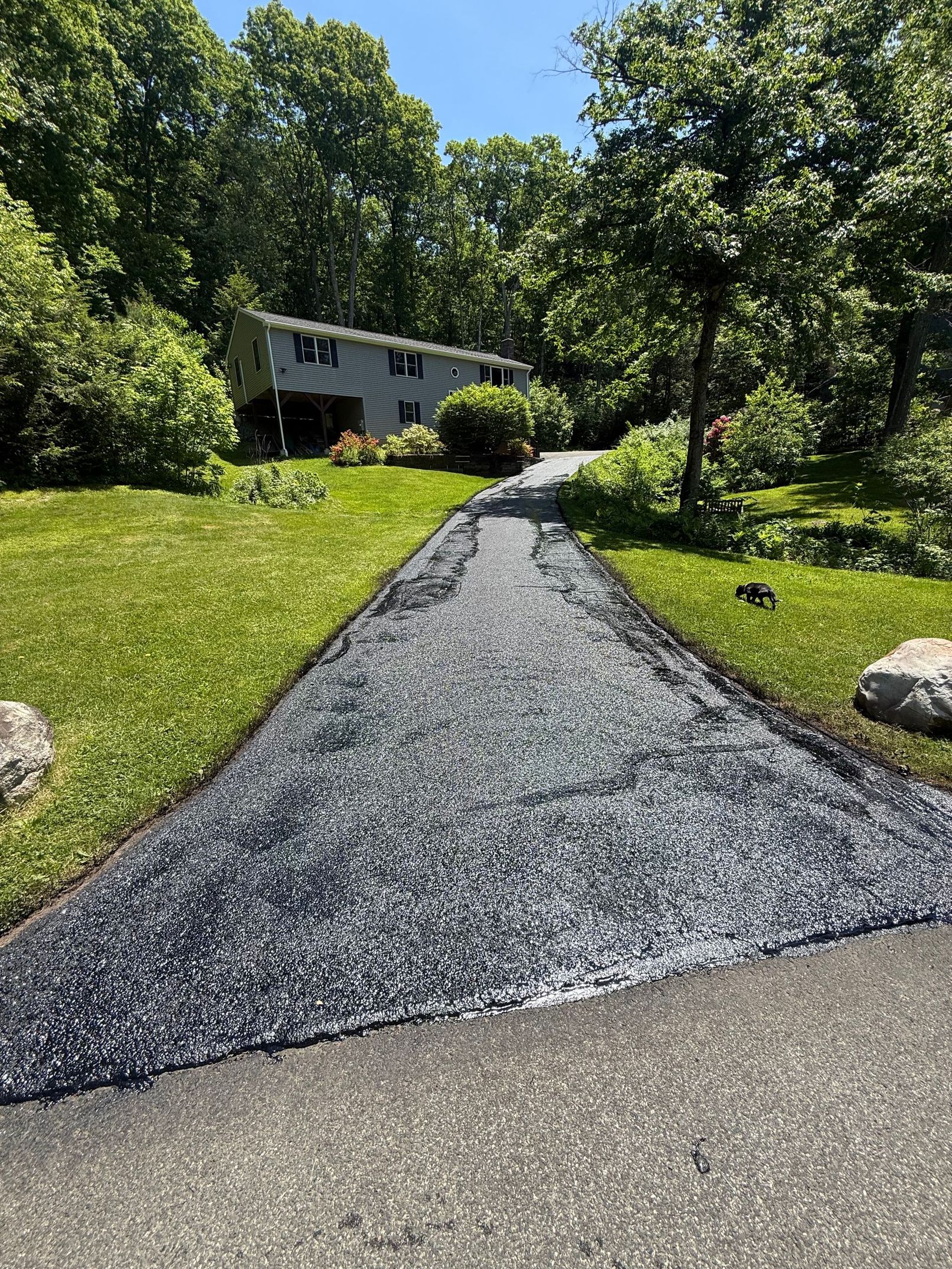
Sealcoating
Protect Your Asphalt From the Elements
Sealcoating applies a protective coal-tar or asphalt-emulsion barrier over your pavement surface. This layer shields asphalt from UV radiation, water infiltration, automotive fluid spills, and oxidation — the four primary forces that degrade untreated pavement over time.
When to Schedule Sealcoating
- New asphalt: wait 90 days after installation before first coat
- Established pavement: every 2–3 years for optimal protection
- Surfaces showing fading, graying, or minor surface cracking
- Prior to winter to prevent freeze-thaw water damage
A properly sealcoated surface can double the service life of your pavement at a fraction of the cost of repaving.
Crack Filling
Stop Small Cracks Before They Become Costly Failures
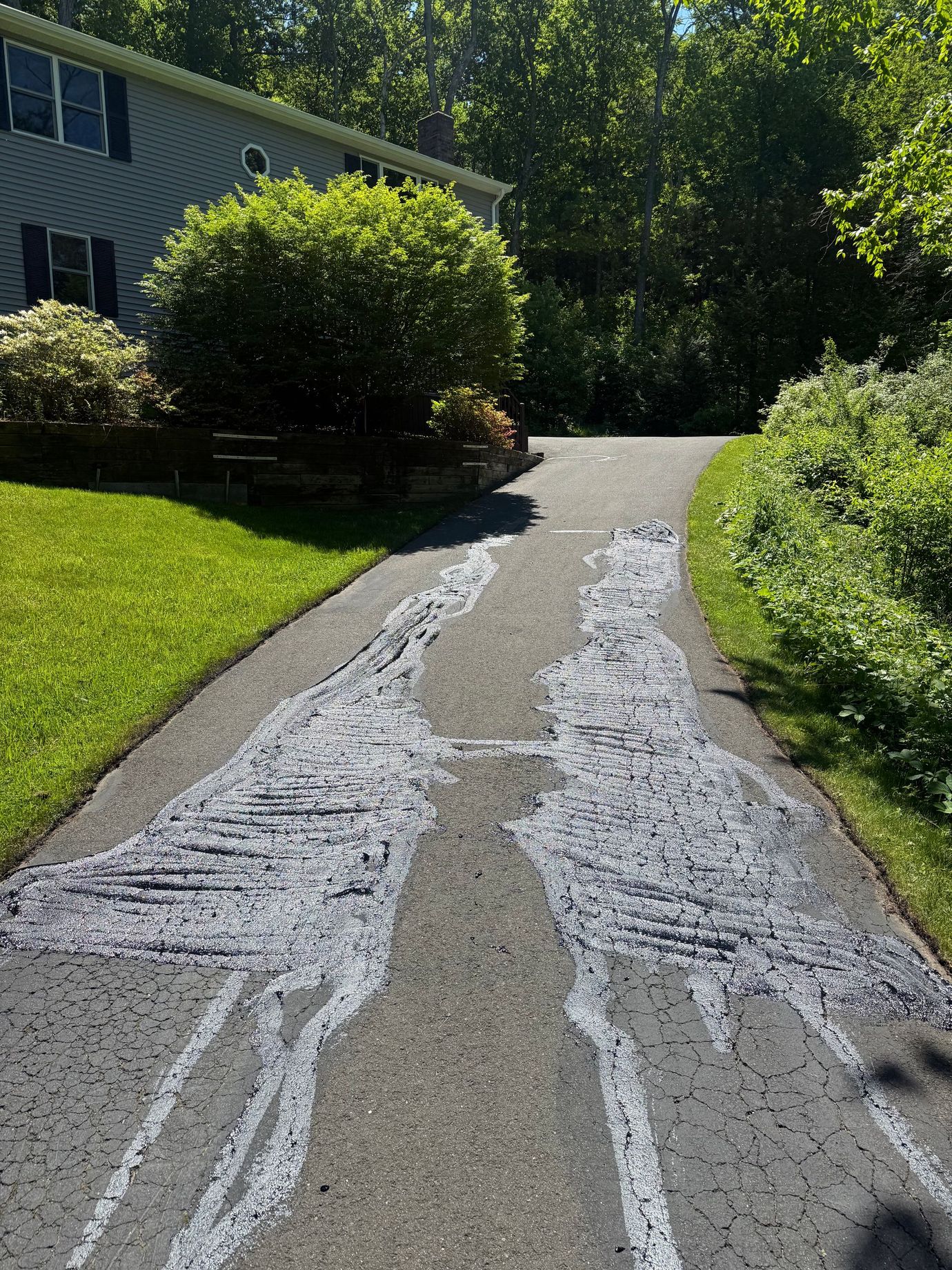
Cracks in asphalt are not cosmetic problems — they are entry points for water. Once water penetrates below the surface, freeze-thaw cycles expand the crack, undermine the sub-base, and accelerate deterioration that leads to potholes and full-depth failures. Early crack filling is the most cost-effective intervention in pavement maintenance.
We use hot-pour rubberized crack filler that flexes with the pavement through seasonal temperature changes — creating a watertight seal that outlasts cold-pour alternatives.
Crack filling costs a fraction of patching or repaving. The right time to fill a crack is now — not next season.
Screened Asphalt Millings
A Durable, Eco-Friendly Surface at a Lower Cost
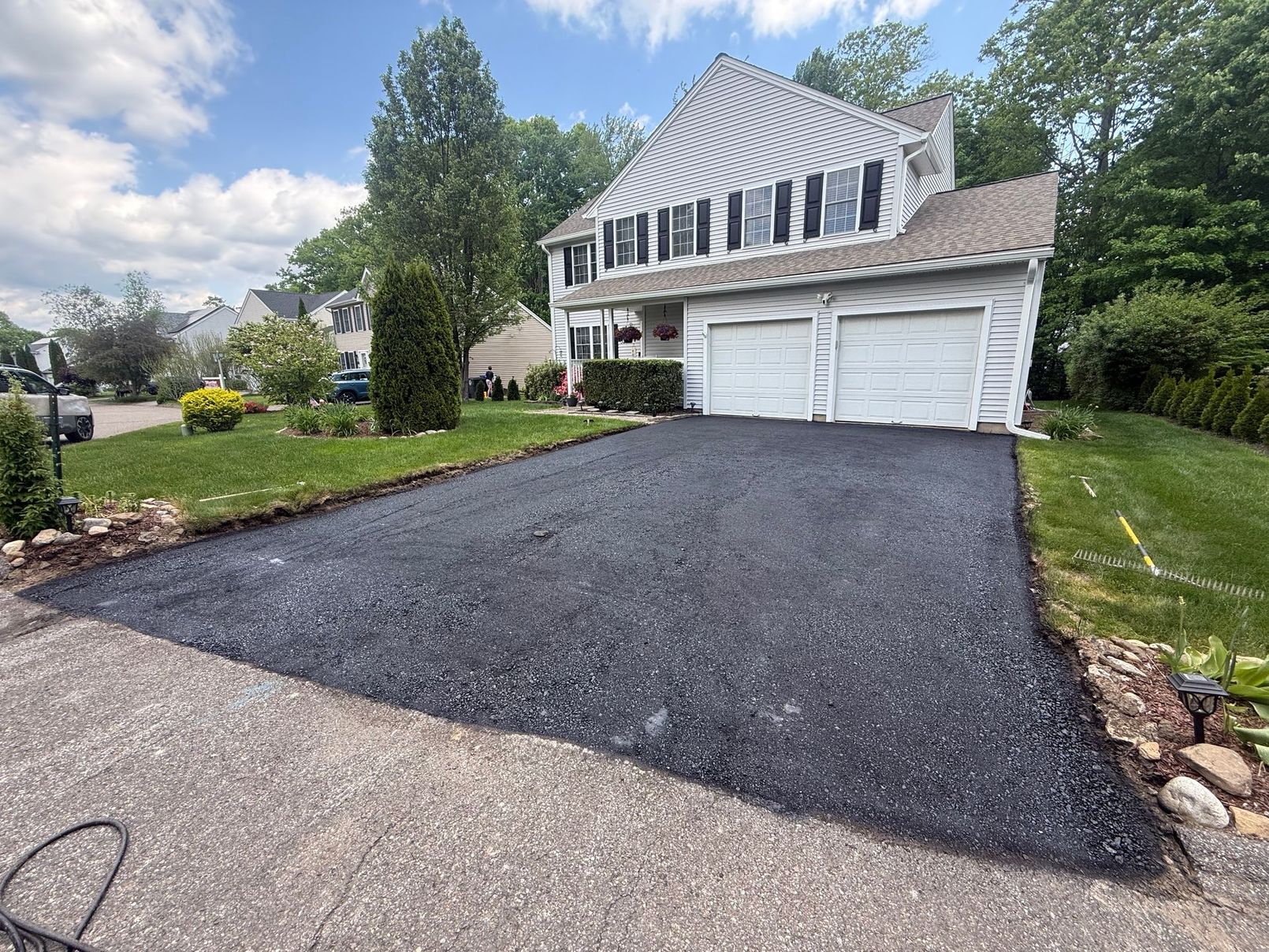
Screened asphalt millings are reclaimed asphalt pavement — ground and screened to a consistent aggregate size — that compact into a hard, stable surface. This makes them an environmentally responsible and cost-effective alternative to fresh hot-mix asphalt for driveways and parking areas.
Ideal Applications
- Residential driveways and turnarounds
- Farm lanes and rural access roads
- Commercial overflow and auxiliary parking lots
- Temporary job-site roads and staging areas
Why Choose Millings?
- Significantly lower material and installation cost than fresh asphalt
- Reclaimed material keeps waste out of landfills
- Compacts firmly and self-binds in warm weather
- Drains better than solid asphalt, reducing runoff
Residential & Commercial — We Do Both
Our services scale from a single-car driveway to a multi-acre commercial parking lot. Here's how each engagement typically looks.
Residential Properties
Homeowners trust us for driveways, walkways, and detached garage aprons. We are sized for residential access — no oversized equipment that damages lawns or landscaping.
What We Typically Handle
- Single and double-wide driveways
- Turnarounds and apron extensions
- Crack filling and sealcoating
- Driveway removals and new millings installation
Most residential jobs are completed in a single day with minimal disruption to daily routines.
Commercial Properties
Property owners rely on us for parking lot maintenance, fleet yard preservation, and large-scale millings installations. We coordinate around business hours to minimize downtime.
What We Typically Handle
- Strip mall and retail parking lots
- Industrial and warehouse yard surfaces
- Multi-phase crack filling and sealcoating
- Large-area millings installation and grading
Common Questions
Quick answers to the questions we hear before every job.
How often should I sealcoat my driveway or parking lot?
For most surfaces, every 2 to 3 years is the right interval. New asphalt should cure for at least 90 days before the first application. Heavily trafficked commercial lots may benefit from annual spot treatments in high-wear zones.Do asphalt millings compact as firmly as fresh asphalt?
Yes — screened millings compact into a very stable surface, especially in warm weather when the residual bitumen in the material re-activates slightly under compaction. The result is a hard, bound surface that performs well under normal vehicle loads. Millings will not achieve the identical hardness of hot-mix asphalt, but for driveways, parking areas, and access roads they are an excellent and cost-effective choice.What weather conditions are required for sealcoating and crack filling?
Both applications require dry pavement and air temperatures above 50°F (10°C). We do not apply sealcoat or crack filler if rain is forecast within 24 hours of application. In our region, the reliable application window runs from late spring through early fall.Can you fill cracks before sealcoating?
Absolutely — and we recommend it. Crack filling should always precede sealcoating on the same surface. We can sequence both services in a single visit, which saves mobilization cost and ensures the sealcoat bonds cleanly over sealed cracks.How long does a millings installation take?
Most residential millings jobs (standard driveway) are completed in one day. Larger commercial installations are scoped and scheduled by phase — we provide a written timeline before work begins.Is sealcoating enough, or do I also need crack filling?
Sealcoat is a surface protectant, not a structural repair material. It will not bridge or seal existing cracks. Any cracks present before sealcoating must be filled first — otherwise water will continue to enter through the crack beneath the sealcoat layer.
3 services. 1 contractor. No subcontracting.
Ready to Protect Your Pavement?
Whether you need sealcoating, crack filling, or a full millings installation, we'll assess your surface and deliver a clear, honest quote — no pressure, no runaround. Most quotes are turned around within 24 hours.